

In this story
Haircare shelves organize products around promises: repair, moisture, detox, volume, gloss. Your hair, however, experiences a system—cleansing, conditioning, styling, heat, weather, water, and handling. The best match is rarely the bottle with the closest marketing language. It is the product that performs the needed job without creating a new problem elsewhere in the routine.
That makes haircare comparison a sequence question before it is an ingredient question.
Define the job and the starting condition
Begin with what happens, when it happens, and where. “My hair is dry” is broad. “My ends feel rough after wash day, while my scalp becomes oily on day three” gives you two locations and a timeline.
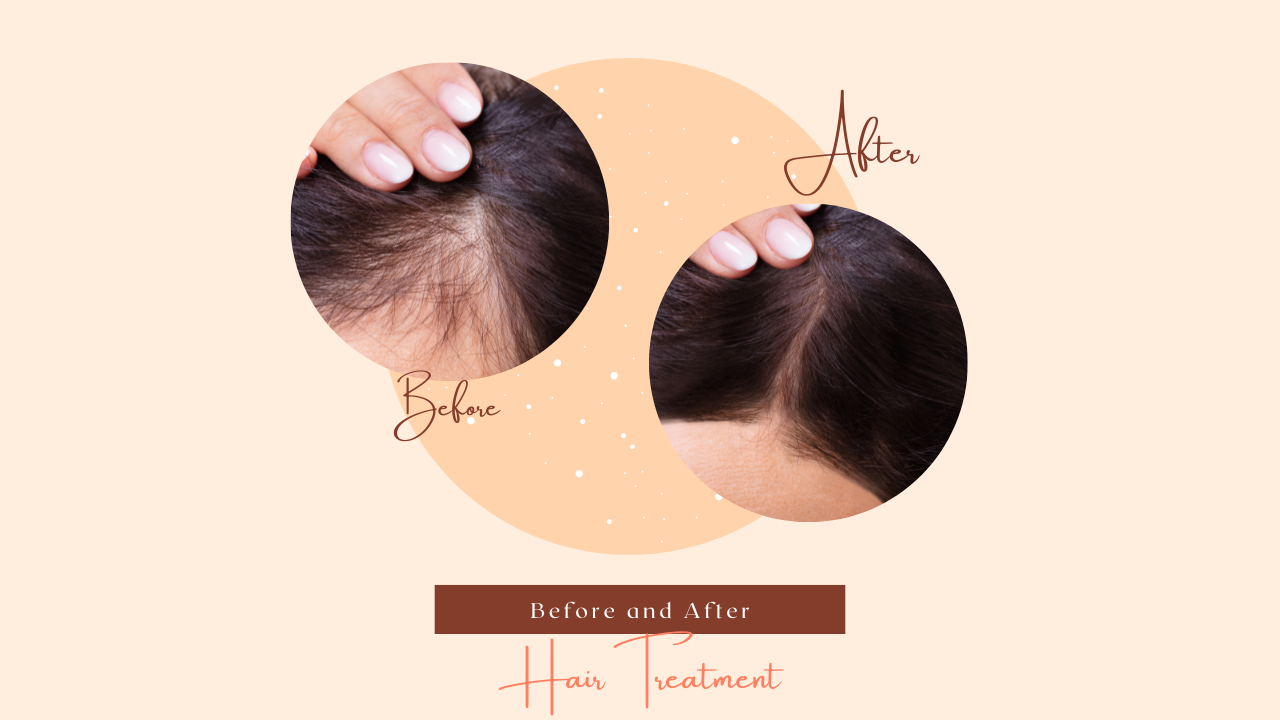
Separate scalp observations from fiber observations. The scalp is skin; the visible length is nonliving fiber. A cleansing product can suit the scalp while leaving the ends too stripped, which may call for targeted conditioning rather than abandoning the shampoo.
Useful jobs include:
- removing oil and styling buildup at a comfortable frequency;
- adding slip for detangling;
- reducing the feel and appearance of roughness;
- supporting a style in humidity;
- limiting heat-related damage through appropriate styling habits;
- adding volume without unacceptable stiffness.
Choose one primary job for a product test. A mask should not be judged as a failed volumizer if you bought it for softness.
Compare formula roles, not hero ingredients
Ingredient lists can show the broad architecture of a product. Cleansers use surfactant systems; conditioners commonly rely on conditioning agents, fatty alcohols, oils, silicones, polymers, or proteins in different combinations. Styling products use film-formers and fixatives to shape hold and humidity response.
One familiar ingredient does not predict the whole result. A shampoo without sulfated surfactants is not automatically gentler, and a product containing a silicone is not automatically heavy. Concentration, ingredient combination, rinse-off behavior, dose, and hair condition all affect performance.
Protein language also deserves restraint. Products marketed for “protein overload” or “protein sensitivity” are not standardized diagnostic categories. If a product leaves your hair stiff or rough, that experience is valid; it does not identify one ingredient as the universal cause. Change one variable, return to a known baseline, and observe.
Marketing terms such as “clean,” “toxin-free,” or “chemical-free” do not provide a meaningful safety comparison. Every cosmetic formula is made of chemicals, including water. Use the full label, directions, and your actual needs.
Build a controlled wash-day test
Test one new product while keeping the rest of the routine stable. Use roughly the same amount, water temperature, wash technique, leave-on time, styling products, and drying method. Weather can alter frizz and hold, so repeat the test before making a strong claim.
For shampoo, assess the scalp after rinsing and again over the next few days. Note comfort, visible residue, oil return, and how the lengths feel. For conditioner or a mask, assess detangling force, wet slip, dry feel, volume, and whether the effect persists to the next wash.
For stylers, split the hair into comparable sections if practical. Apply equal amounts on similarly wet hair, then avoid touching one side more than the other. Photograph the result in consistent light at dry-down and later in the day.
Avoid turning a “clarifying” test into repeated harsh washing. Cleansing frequency and strength should fit your scalp, product use, and styling practices. More squeak is not evidence of greater health.
Adjust dose before replacing the product
Many apparent mismatches are dose mismatches. Rich conditioner placed at the roots can flatten fine hair while working beautifully on the ends. Too little gel may fail to form a cast; too much can create stiffness or visible residue.
Change the amount or placement once before deciding. Emulsify concentrated products in wet hands, distribute in sections, and follow the label’s rinse or leave-in directions. Record the approximate dose so a good result can be repeated.
Water quality can also change lather, residue, and feel. If your results shift after travel or moving, do not assume the formula changed. A chelating product may help with certain mineral deposits, but frequent use is not automatically better and the right frequency varies.
Know when comparison stops being the right tool
Persistent itching, pain, sores, sudden shedding, or significant flaking is not a routine-optimization puzzle. Stop products that seem to trigger a reaction and seek advice from a qualified clinician, particularly when symptoms are severe or ongoing. Cosmetic guidance cannot diagnose a scalp or hair-loss condition.
Patch-testing directions should be followed when a product provides them, but an informal home test cannot rule out every reaction. Hair dyes and chemical texture services have specific safety instructions that should not be replaced by a general product-testing framework.
Decide whether the match is sustainable
A successful alternative should work at the frequency, effort, and cost your routine can support. Include drying time, how many additional products it needs, package size, fragrance tolerance, and local availability.
Write the verdict by job: “similar detangling with less weight,” “stronger hold but more residue,” or “comfortable scalp cleansing, rougher ends.” This language is far more transferable than “best shampoo” because it preserves the trade-off.
Haircare becomes easier to compare when every bottle has a defined assignment. Observe the starting condition, test one change, adjust dose, and judge the entire wash cycle. Hype asks whether a product is transformative. A useful routine asks whether it reliably does its job.
Turn the framework into a smarter product shortlist.
Use Dupes to compare products, inspect possible matches, and save the options worth revisiting.
Download on the App Store